Perspective Plan /Strategic Plan
Education and Employment
Goals
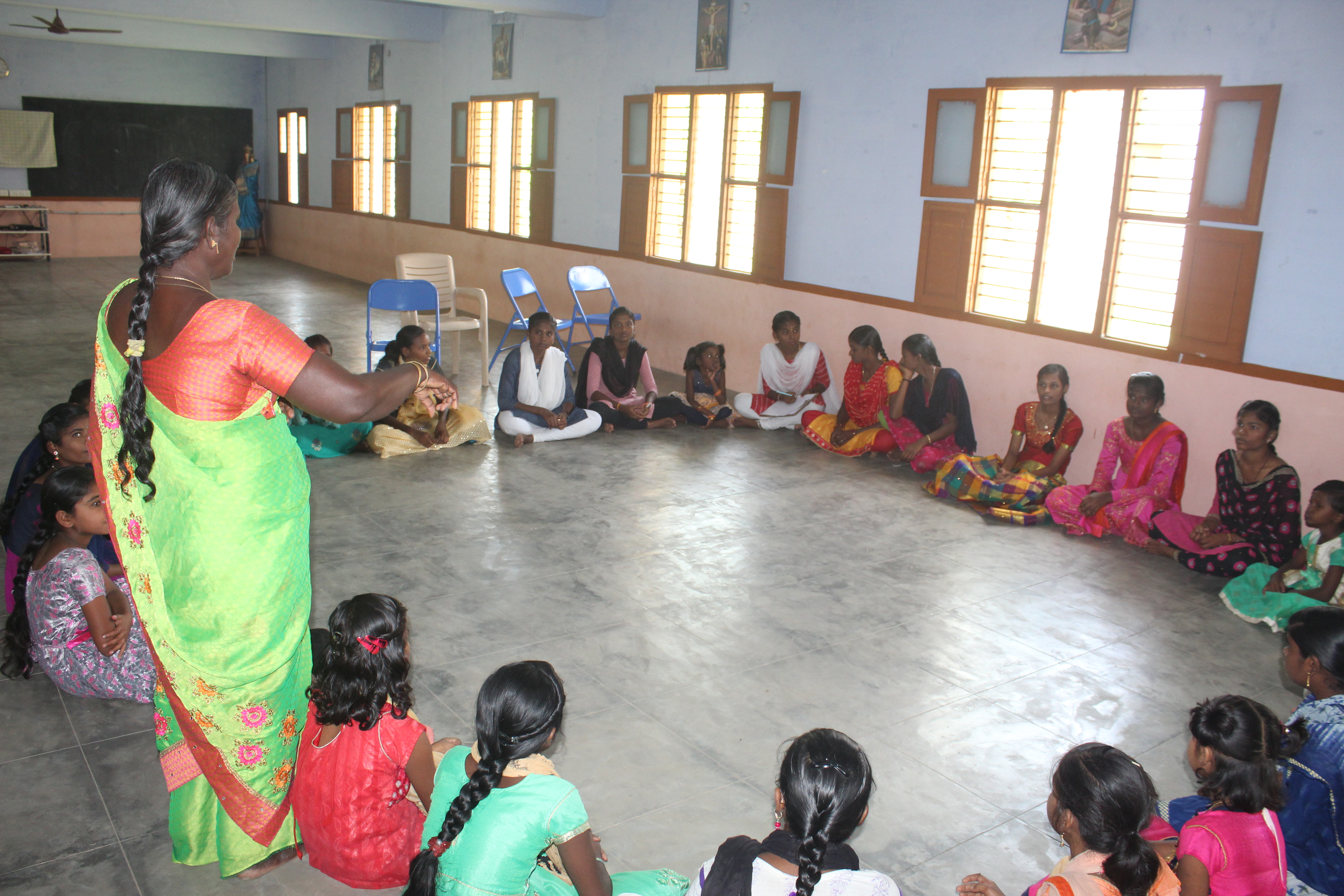
All the students in the area of operation should attain minimum qualification of 12th standard with specific skill training.
To enable the youth to acquire employable skills through leadership training and skill trainings so that they get into regular and formal employment or successful entrepreneurs.
To abolish dropping out of school and integrate the existing dropouts into formal school system.
Strategies
1. Undertaking research to understand and highlight to the public on the educational status of people and school as well as the quality of education in the area of operation.
2. Identifying financial and institutional resources like free/subsidised boarding/educational institutions and helping those students from vulnerable communities/sections avail these resources/opportunities
3. Promoting local entrepreneurs who can work on value addition to local products/resources and market the same.
4. Undertaking special training to teachers, consultation meetings with the educational officers and taking effort to implement special programmes for this purpose in order to ensure quality education.
5. Conducting holidays camp and evening study centres to promote quality education and good health of students.
6. Ensuring the participation of important stakeholders such as parents, PRI leaders, donors, administrators and government officers in the educational process in the villages towards quality education.
7. Promoting students forums and conducting multi skill competitions to promote the skills of the rural students.
8 Sensitizing the students to be aware of their rights and duties as citizens.
Environment and Agriculture
Goals
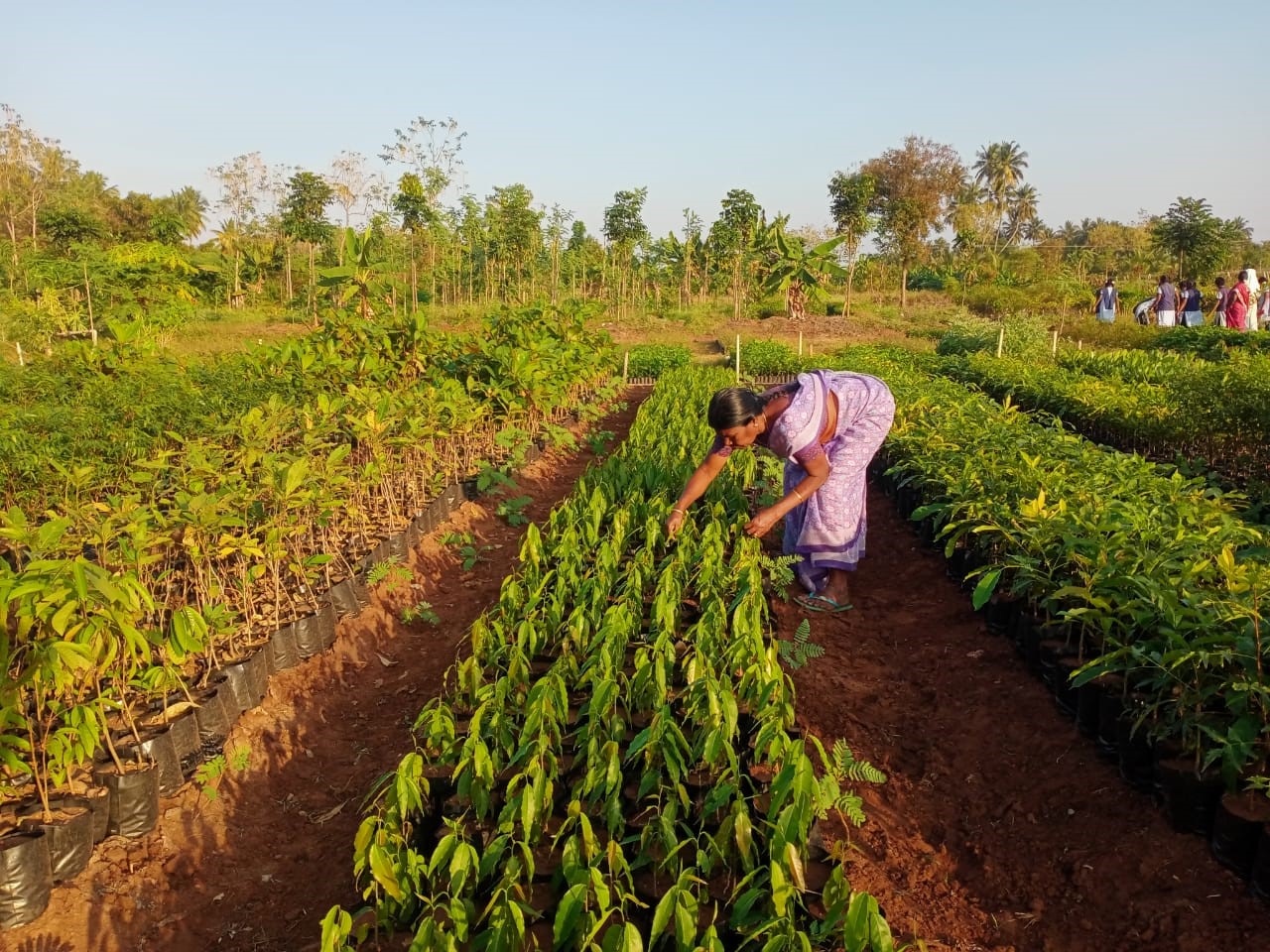
Identifying the small and marginal farmers, training them in organic farming and helping them to implement the practices of organic farming.
Protecting water, land and air from being polluted
Protecting environmental rights through organising the people and legal intervention.
Protecting sustainable land resources and increased productivity through selective methods.
Improving the life of the farmers through making them set up food processing units, value addition to the products, savings and marketing .
Empowering the farmers to protect their right to life through legal protection as formal labourers and social security.
Joining the civil society groups/NGOs to voice the concerns of the farmers for agricultural subsidy, crop insurance, agricultural credit for equipments and implements and price determination.
Strategies
1. To take up research to know the status of small and marginal farmers, agricultural labourers, water bodies and water resources, local resources, market opportunities etc...
2. To guide the farmers in organic farming by training them in organic farming, soil testing etc...
3. To conduct awareness on management of solid waste.
4. Improving environment through motivation people to grow more trees
5. Training the farmers in water management practices such as developing small water ponds, drip irrigation, water harvesting and water storage.
6. Forming farmers’ forum and promoting cooperatives to take up production and marketing of their products
7 Contacting and negotiating with Government agencies to promote centres for value addition and market the agricultural products.
Women Empowerment
Goals
Promoting quality education of women in the working areas
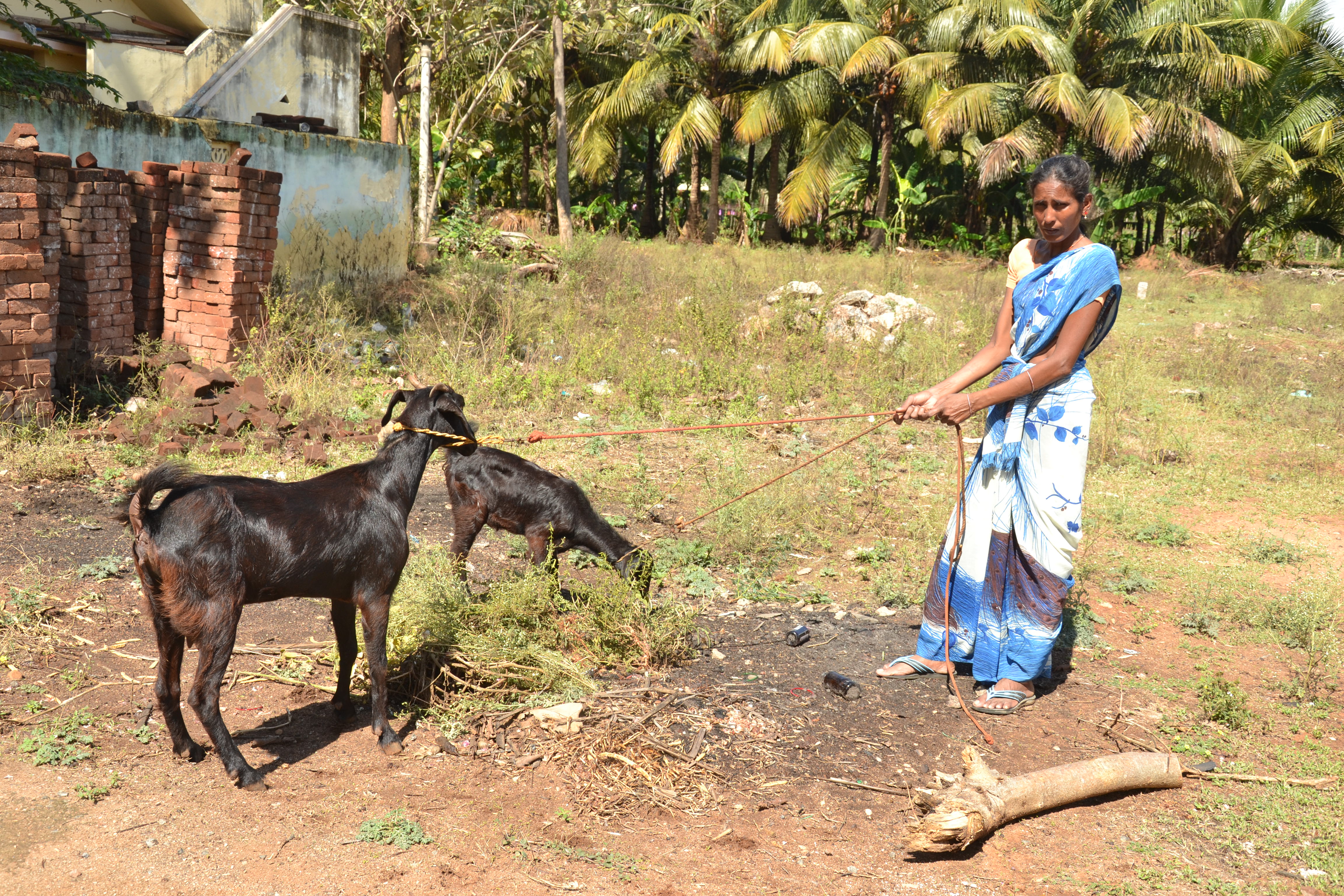
Promoting independency of women through training them in self employment and Income Generation Programmes.
Training the adolescent girls in life skills so that they continue their studies and get formal employment and develop profitable business.
Training women and promoting women forums so that they voice for their rights and participate in public life and governance
Organising gender sensitisation programmes for both women and men to promote gender equality.
Offering counseling, protection, legal litigation and rehabilitation for the women victimised by the patriarchal society.
Strategies
1. Undertaking research to know about the status of women such as their education, employment, health and economic status.
2. Offering counseling, protection, legal litigation and rehabilitation for the women victimised by the patriarchal society.
3. Conducting personality development and skill development programmes for adolescent women so that they grow to realise their full potentials and participate in social development.
4. Conducting Entrepreneurial Development Programmes for women so that they become successful entrepreneurs.
5. Training the women and promoting women movements in order to promote their leadership and participation in decision making bodies and organisations.
6. Joining with Government and Non Government Organizations in taking up various efforts towards women empowerment.