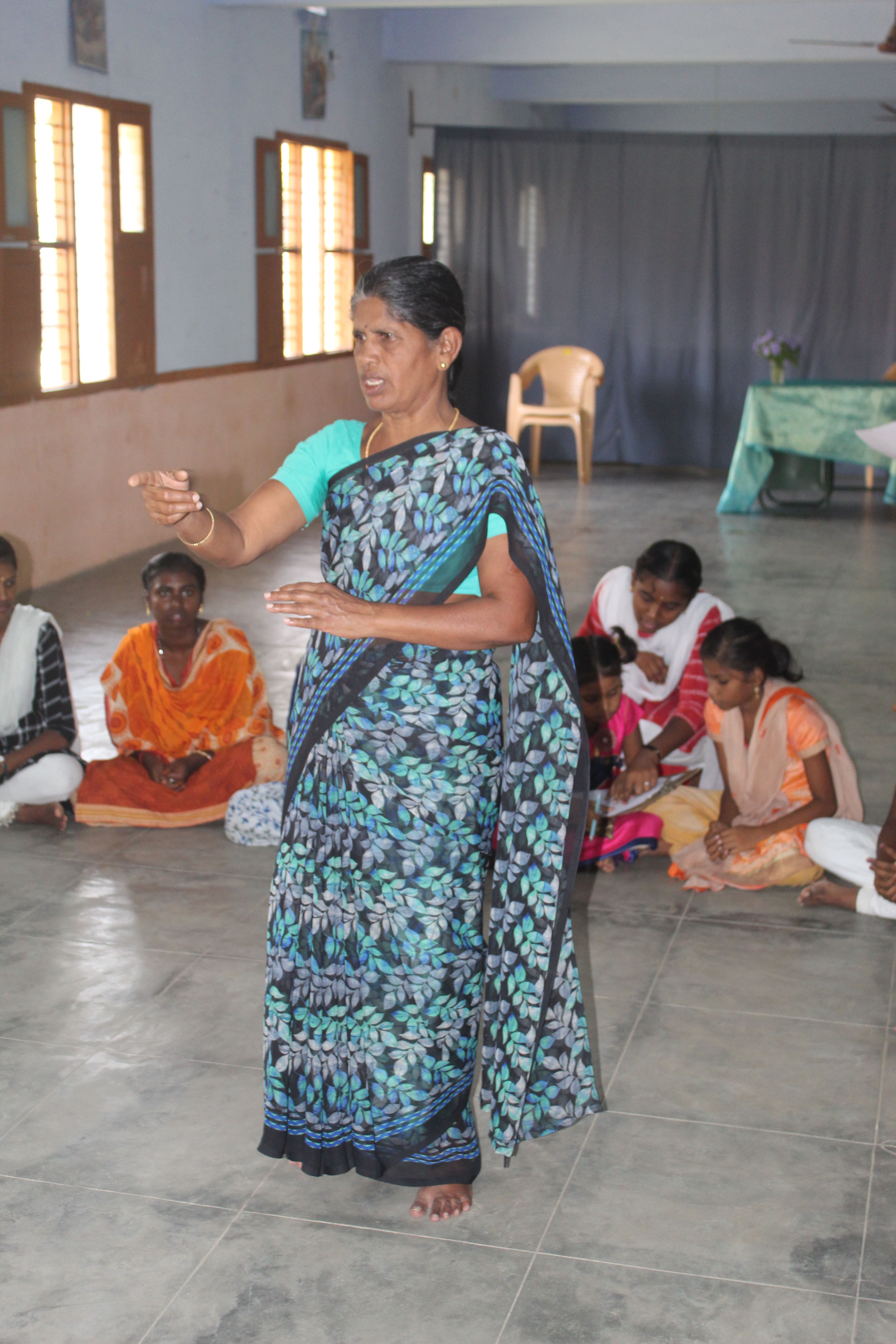
"To establish a just society where all enjoy equality, fraternity, peace, and happiness." | "Empowering communities for sustainable development." | "Supporting social welfare and education for a brighter future."
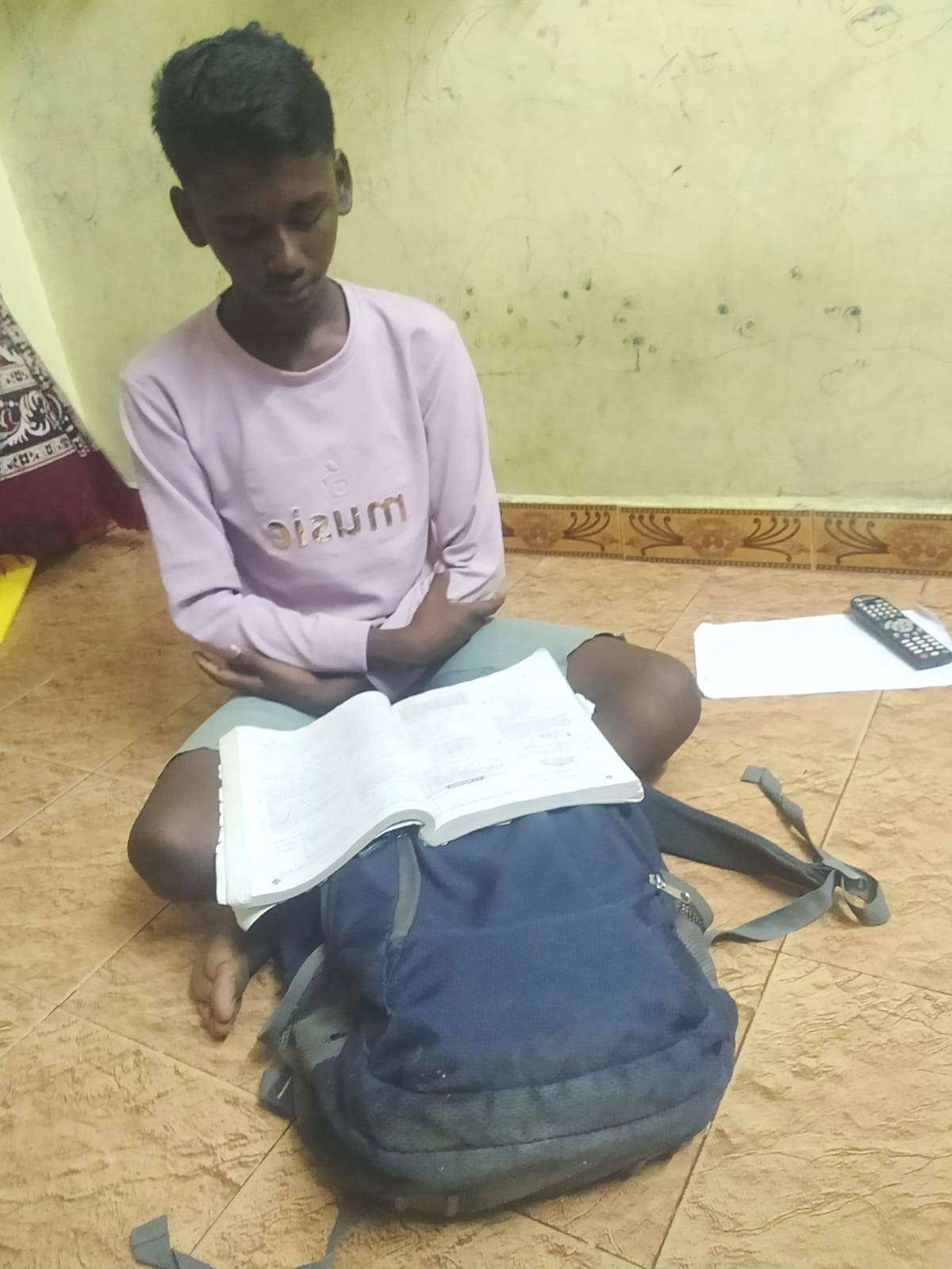
All the students in the area of operation should attain minimum qualification of 12th standard with specific skill training.
Read More
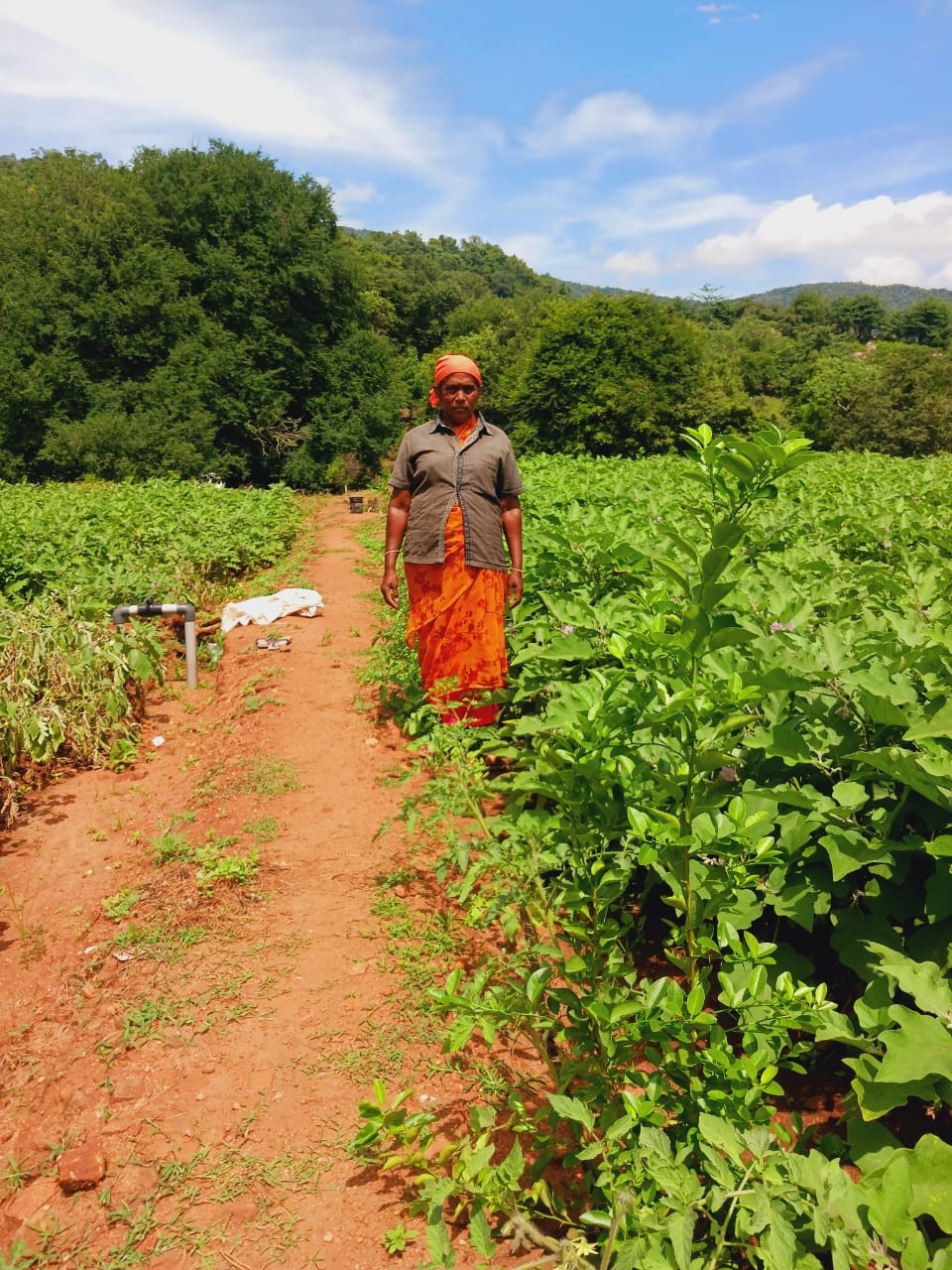
Identifying the small and marginal farmers, training them in organic farming and helping them to implement the practices of organic farming.
Read More
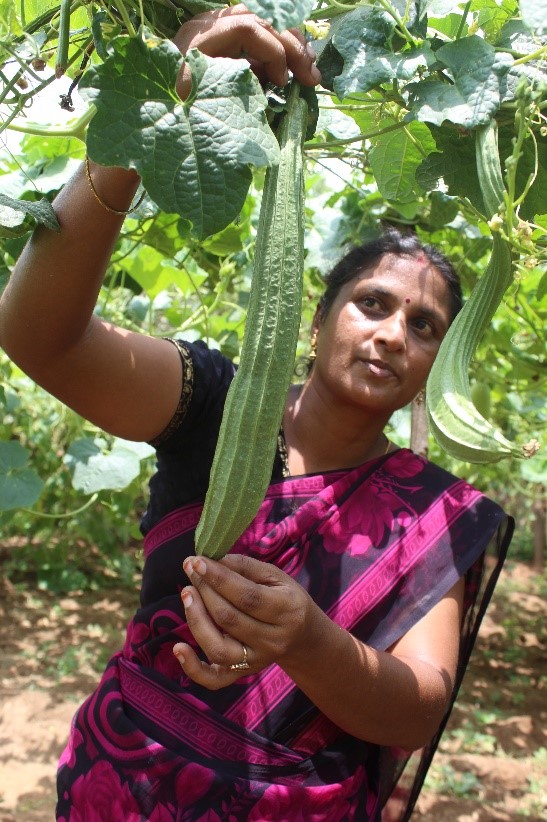
Promoting quality education of women in the working areas Promoting independency of women through training them in self employment and Income Generation Programmes.
Read MoreDindigul District was carved out of the composite Madurai District in Tamil Nadu in India on 15.9.1985. Dindigul is located between 10.05” North 10.09” latitude and 77’3-“and 78’20” East latitude and its mean sea level is (+) 280.11M. It is bound by Erode, Coimbatore, Karur and Tiruchirappalli districts on the North, by Sivagangai, Tiruchirappalli districts on the East, by Madurai district on the South and by Theni and Coimbatore districts and Kerala state on the west. It is spread over an area of 6266.64sq.kms. It comprises of 3 Revenue Divisions, 8 taluks and 14 panchayat unions and its population is 22,23,014.
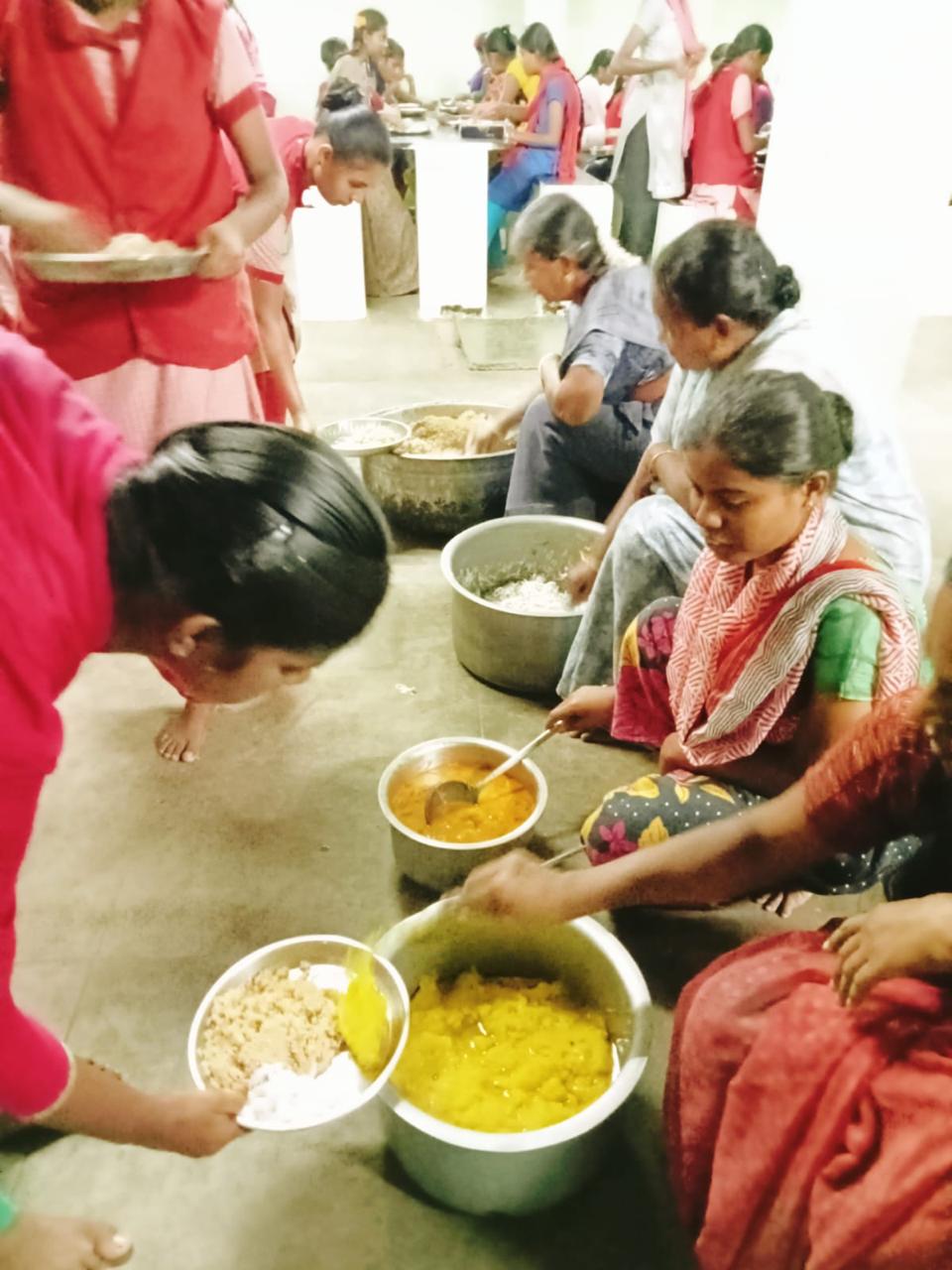
Dindigul Multipurpose Social Service Society known as DMSSS is a non-profiteering social service organization functioning from 21.07.86 with its administrative office at John Paul Complex, Nehruji nagar, Dindigul 624 001, duly registered with the Ministry of Home Affairs, Govt. of India, New Delhi in No:075940180.
More to known
In a recent effort, an NGO has combined food distribution with women empowerment programs, providing essential supplies while offering leadership and skill-building opportunities. This initiative is helping women in underserved communities gain financial independence and improve their family's well-being.
In a groundbreaking effort, an NGO has launched women empowerment programs in rural areas, offering skill development, financial literacy, and leadership training.Beneficiaries have reported increased confidence and opportunities, leading to long-term positive impacts for families and villages.